Geotechnical Instrumentation and Monitoring: Tailings Dam
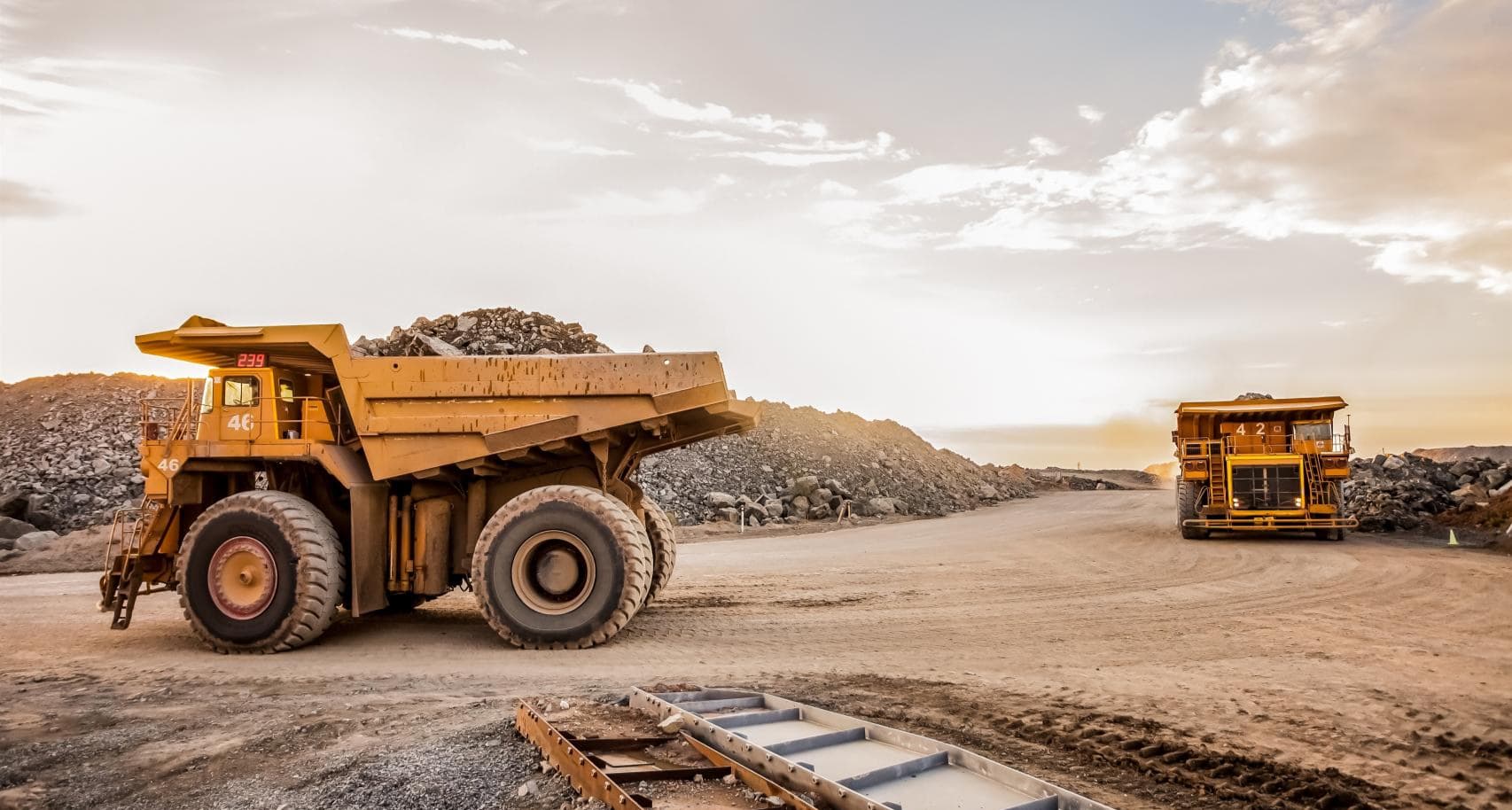
A tailings dam is a mining infrastructure designed to recover water and store residual solids from mineral processing. Its integrity can be compromised by seepage or natural events, increasing the risk of rupture and associated damage. To mitigate these risks, piezometers and accelerometers are used to constantly monitor water levels and seismic activity. Learn more about this solution in the current interest note.
Keep reading...
Evolution and Advantages of Digital Radiography in the Oil & Gas Industry
Digital radiography has revolutionized the oil & gas industry by enhancing the quality of structural integrity inspections and defect detection. Its advantages include reducing radiation exposure time, eliminating chemicals, and the ability to digitally store and analyze images, which optimizes processes and contributes to safety and environmental sustainability.

Presentation of the New GIE GROUP Board
On May 22nd, the presentation ceremony of the new Board and the transfer of the presidential mandate from Engineer @Mauricio Teutónico to Geologist @Gustavo Martinez took place at the Mar del Plata headquarters.
Keep reading...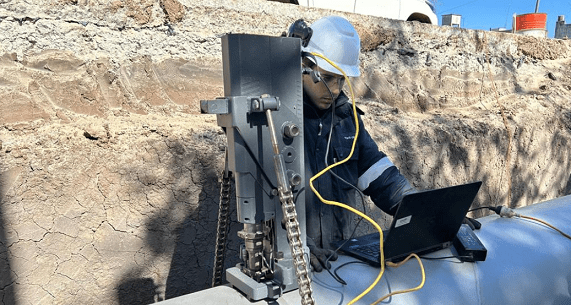
Instrumented Indentation: 15 years of experience providing know-how and technical support to the industry.
In 2008, we developed the instrumented indenter ESYS 10 with state support, allowing the industry to evaluate mechanical properties of materials without destructive testing. Over 15 years, only five companies worldwide offer this service, with GIE GROUP standing out in Argentina and Latin America. Learn more about its features in the following article.

Protecting Assets and the Environment: Board of Directors Resolution No. 088-2022 - Risk Assessment in the Oil and Gas Industry in Peru
The Board of Directors Resolution No. 088-2022 from the Ministry of Energy and Mines (MINEM) in Peru establishes guidelines for the Security Risk Study (SRS) in hydrocarbon facilities. The SRS, crucial for ensuring safety in the oil and gas industry, encompasses hazard identification, risk assessment, and the establishment of preventive measures. The process includes the formation of specialized teams, a detailed description of facilities and processes, hazard identification using various methodologies, quantitative risk assessment, and the application of protection layers. Prevention and mitigation measures, along with periodic reevaluation, aim to maintain safe operations, reducing risks and minimizing environmental impacts, highlighting the importance of conducting the SRS not only as regulatory compliance but also as a tool for continuously improving safety and reliability in the industry.
Keep reading...
Exploring the Roots of Failures through RCA (Root Cause Analysis)
The Interest Note explores the concept of Root Cause Analysis (RCA) as a process to identify the fundamental cause of a failure in equipment, emphasizing that a failure implies the inability of the equipment to fulfill its original purpose. It is underscored that the consequences of these failures can be significant, affecting assets, people, or the environment. The scope of RCA has expanded beyond physical issues, encompassing areas such as corporate culture, quality management, occupational safety, project management, and medicine. The complexity of RCA will be addressed, emphasizing the need to identify events and conditions leading to failures. The importance of understanding failure modes and involved factors is highlighted for implementing preventive and corrective measures.
Keep reading...