Implementation of Operational Integrity Windows
In the dynamic industrial environment, where assets face various threats that can compromise their integrity, the implementation of advanced methodologies becomes essential to ensure effective management and extend the lifespan of equipment. In this context, we emphasize the relevance of "Integrity Operating Windows" (IOW) as a fundamental component in the maintenance strategy. These operating windows not only provide a proactive approach for continuous monitoring of critical variables but also allow anticipation of potential deviations in asset performance. Through the definition of key variables, operational limits, and responses to these limits, Integrity Operating Windows emerge as a comprehensive tool for early detection of deterioration, facilitating informed decision-making and significantly contributing to reducing uncertainty in asset management. In this context, we will thoroughly explore the application and benefits of these operating windows in predictive maintenance and continuous improvement related to the integrity of industrial assets.
Keep reading...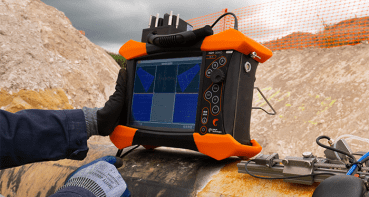
Discover the Advantages of Phased Array Ultrasonography (PAUT) for Weld Inspection and Corrosion Mapping
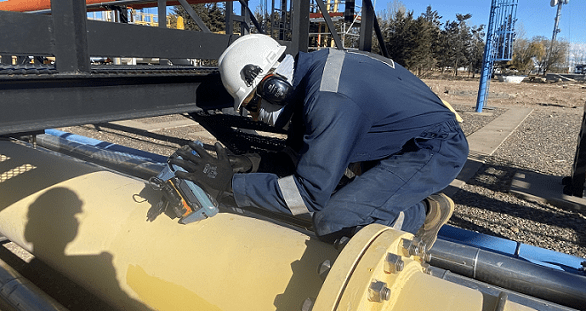
Phased Array Ultrasonography (PAUT) is an advanced method that utilizes multiple ultrasonic crystals with varying delays to generate directed ultrasonic beams at specific angles. Unlike conventional ultrasound, PAUT probes can be electronically focused without the need for physical movement, facilitating the inspection of seams and other critical areas. It can be applied manually or connected to equipment such as crawlers to record the position, similar to digital radiography.
PAUT offers significant advantages over conventional ultrasound, including increased certainty and speed in inspection. Sectorial and linear scans enable comprehensive coverage of welds and the detection of discontinuities. Furthermore, PAUT replaces industrial radiography in pipeline construction, producing permanent records without radiation, thereby enhancing safety and efficiency in inspection. The method is also effective for corrosion detection and determining corrosion profiles. Overall, PAUT is a versatile technology applicable in various industrial sectors.

Real-Time Digital Survey
In the industry, the collection of information, data capture, and activity logging on paper have been a tedious and error-prone process. This working methodology has led to inefficiency in planning, task allocation, and results review, as well as the generation of a large number of unnecessary documents and errors. However, the availability of technology such as laptops, tablets, and smartphones has enabled a more efficient solution for data gathering.
Two application examples presented in this article illustrate how this technological solution has transformed the industry. In the first case, at a gas expansion plant, a solution was implemented using Lemon Forms to expedite visual inspections. In the second case, during the inspection of injection wells in oil fields, a customized form was developed, allowing for the rapid evaluation of well suitability and risk assessment.
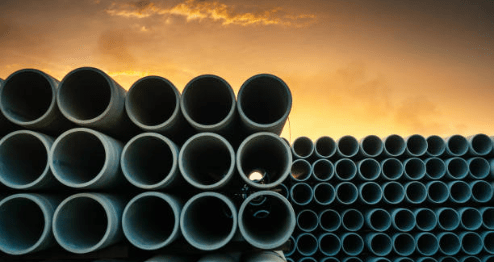
Evaluating Coating on Stored Pipes: Ensuring Integrity during Prolonged Storage.
In a world where pipes often rest in warehouses for extended periods, despite being designed for buried service, the need for a thorough evaluation of their condition and fitness for service arises. This issue, often overlooked, has been exacerbated by the growing global problem of poor adherence in three-layer polyethylene coatings, compromising cathodic protection and exposing the pipes to insidious corrosive processes.
In this context, it is vital to implement a responsible integrity strategy that includes sampling, visual inspections, and laboratory tests to ensure the durability and safety of stored pipes, particularly at a time when infrastructure expansion is crucial. This article explores the key challenges and solutions for maintaining the integrity of these pipes in prolonged storage situations.
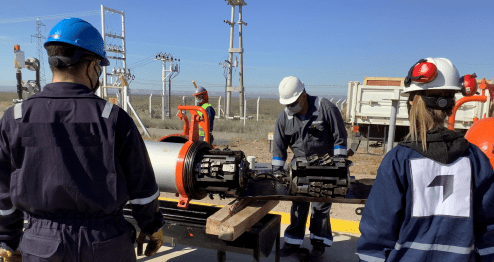
Matching Anomalies from Different ILI Runs Using a Corrosion Prediction Algorithm
Corrosion is a significant challenge in the oil and gas industry, with important economic and environmental implications. To address this issue, an algorithm has been developed that uses Internal Line Inspection (ILI) data to predict corrosion rates accurately and efficiently. The approach is based on matching anomalies detected in multiple ILI inspections, utilizing geometric features and location data. This matrix-based approach improves accuracy and analysis times compared to traditional methods, which can lead to optimization in repair plans and cost reduction in the oil and gas industry.
Keep reading...