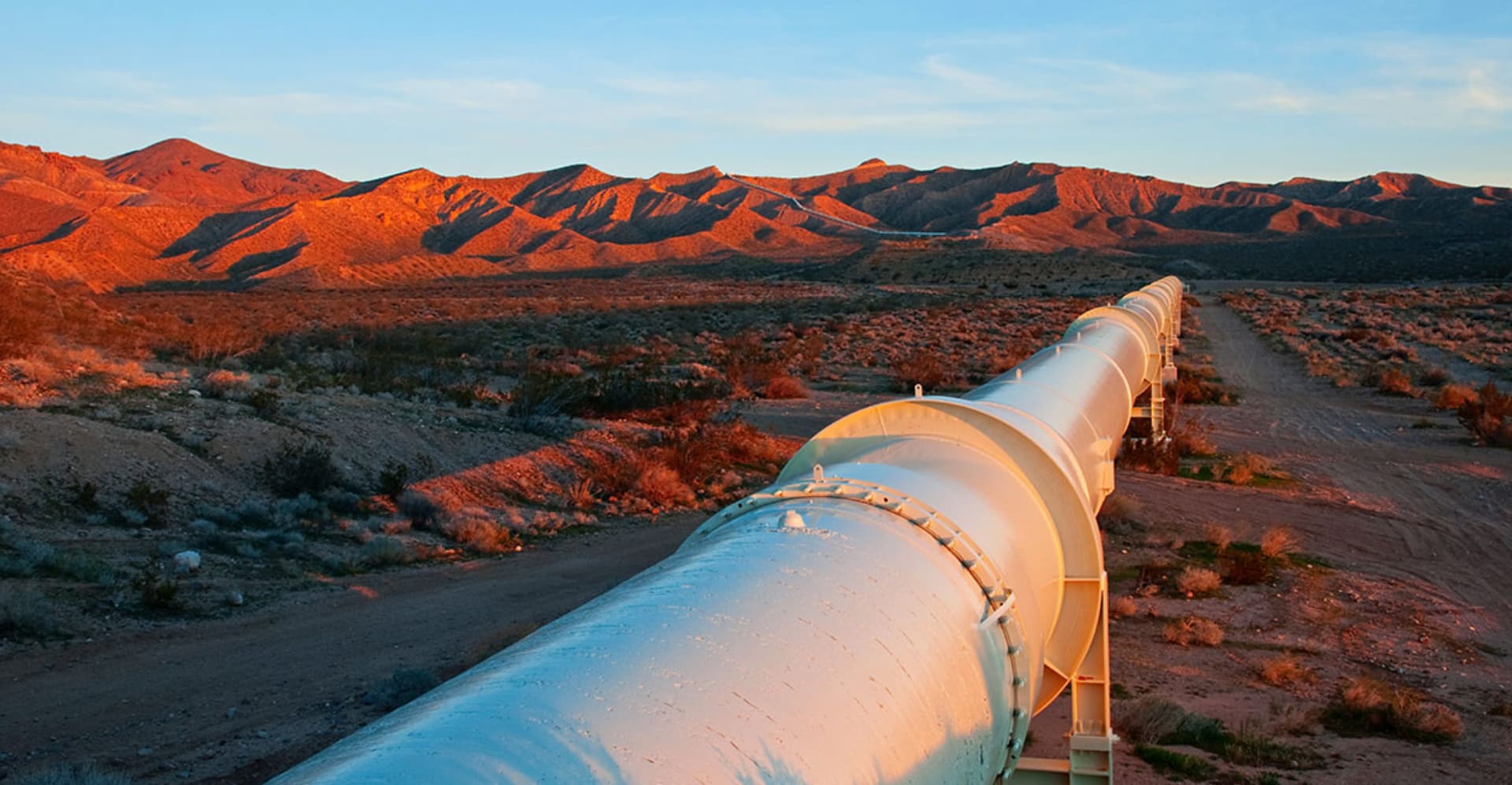
Distributed Fiber Optic Sensing technology
Distributed Fiber Optic Sensing technology transforms a standard optical fiber into a massive network of sensors capable of monitoring physical parameters such as vibration, temperature, and strain across vast infrastructure spans. By analyzing light backscattering phenomena (Rayleigh, Brillouin, and Raman), this system provides continuous coverage, electromagnetic immunity, and precise anomaly localization, making it an essential solution for ensuring integrity in critical sectors such as energy, transport, and mining.
Keep reading...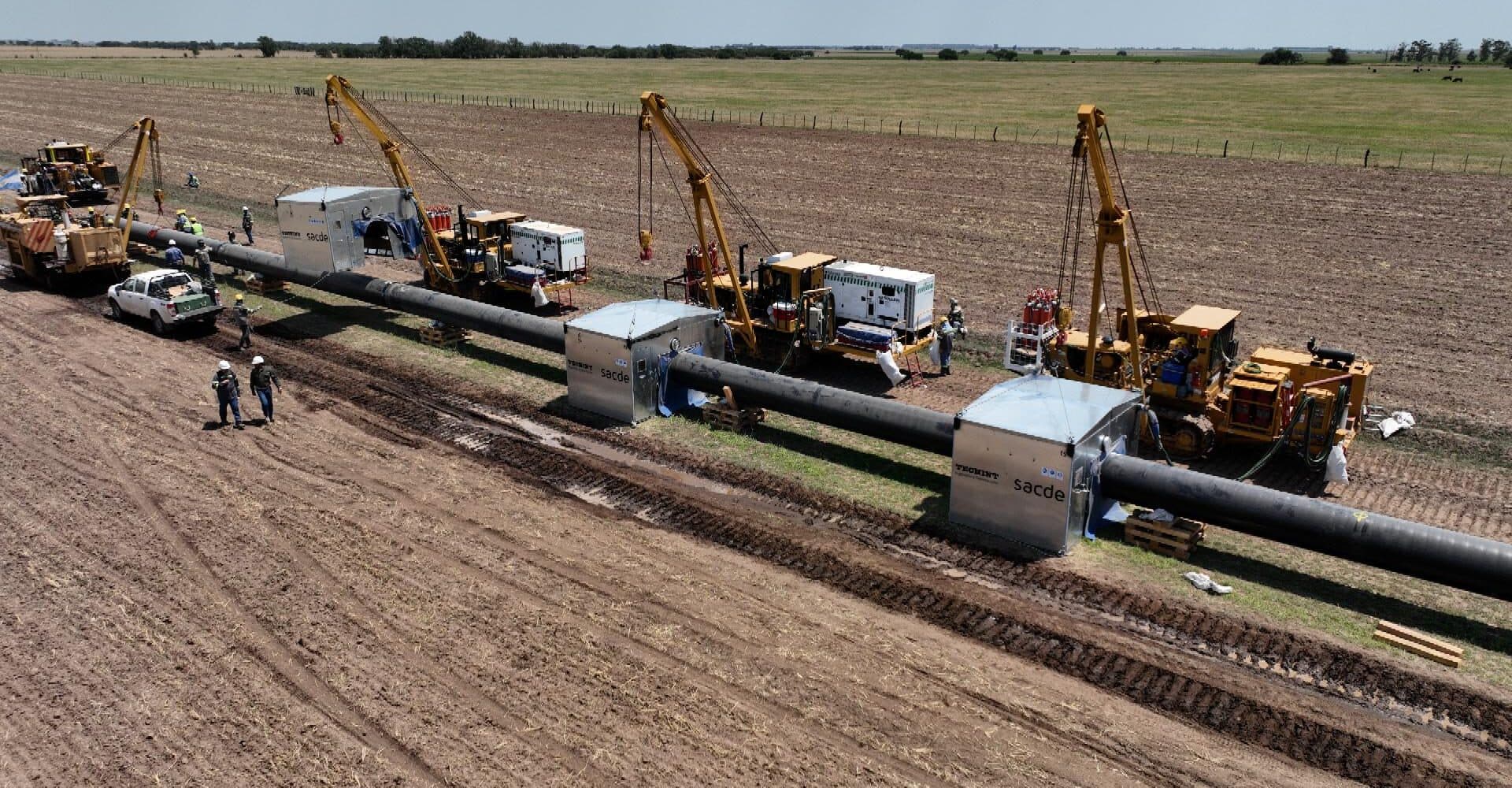
Weld inspection using automated radiography and its validity according to API 1104
Automatic Radiography (AUT RT) vs. Automatic Ultrasonic Testing (AUT UT): Both methods—AUT RT and AUT UT—have advantages and limitations. The selection must be based on project characteristics, accessibility, site conditions, weld type, contractor experience, and availability. The preponderance of one method over the other will depend on these factors, and it is not possible to define a priori an optimal method applicable to all projects. For this reason, the analysis of technical specialists is essential when selecting the method to be applied in each construction project.
Keep reading...
The dashboard is the key management tool that visually and centrally presents the essential indicators (KPIs) for informed decision-making. Although the concept of reporting is ancient, modern tools like Microsoft Power BI® have revolutionized its implementation. Discover in this featured article how these tools can assist in decision-making and what their main benefits are.
Keep reading...
The new era in hydrocarbon tank integrity management in Argentina.
The new Resolution 277/25 from the Argentine Secretariat of Energy revolutionizes the management of Aboveground Hydrocarbon Storage Tanks (TAAH) by mandating the adoption of the international API 653 standard for inspections, establishing the National Register of TAAH, and allowing for the optimization of controls through the Risk-Based Inspection (RBI) methodology, all of which requires supervision by certified inspectors.
Keep reading...
GIE CLOUD applied to the monitoring of mining tailings dams.
The Gie Cloud platform is used at Dam D of the Porco Mine, part of the Sinchi Wayra Mining Group, to optimize the safety of the tailings dam. This system integrates data from piezometers and an accelerograph into a single cloud, enabling remote, real-time monitoring of the dam's structural behavior. Through centralized data visualization and the generation of automatic alerts for any anomaly, proactive risk management is facilitated, and an immediate response is guaranteed to prevent potential failures.
Keep reading...
ECA of field welds in buried and offshore pipelines: current relevance in Argentina
This article aims to introduce the fracture mechanics methods used in Engineering Critical Assessment (E.C.A.) to evaluate discontinuities detected through Phased Array Ultrasonic Testing (PAUT), as part of the non-destructive evaluation of newly installed and upcoming gas and oil pipelines in Argentina. This process supports the assurance of transportation capacity for unconventional oil and gas from the Neuquén Basin
Keep reading...